Segregati in Evangelium Christi
ad Obedienatum Fidei
in Omnibus Gentibus
Set apart for the Gospel of Christ,
for Obedience of Faith in all Peoples
(Cf. Rom 1:1,5)
Romans 8:28
And we know that in all things God works for the good of those who love him, who have been called according to his purpose
Philippians 4:13
I can do all things through Christ
who strengthens me.
.jpg)

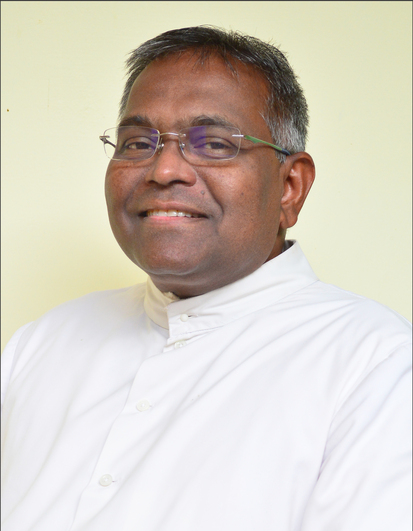
Dear Brothers and Sisters in Christ,
Greetings in the name of Jesus the Lord!
As we journey through the complexities of our time—marked by social unrest, ecological crisis, and spiritual hunger—the theme “Pilgrim of Hope” beckons us to reawaken the core Christian identity that of a people on the move, led by the promise of God’s fidelity.
The image of the pilgrim is deeply biblical. From Abraham, who “went out, not knowing where he was to go” (Heb 11:8), to Moses and the Israelites, led through the wilderness by a pillar of fire and cloud (Ex 13:21), the Scriptures present faith not as static belief but as dynamic trust. This pilgrimage is energized by hope—not mere optimism, but a theological virtue grounded in the certainty of God’s covenant.
The prophet Jeremiah, amid devastation, declares, “For I know the plans I have for you, says the Lord… plans for welfare and not for harm, to give you a future with hope” (Jer 29:11). In the New Testament, St Paul exhorts the Romans: “Rejoice in hope, be patient in suffering, persevere in prayer” (Rm 12:12). Hope is not an escape from suffering, but the assurance that God walks with us through hardship towards the goal in life. Augustine’s simplified comparison of hope can strengthen our hope: “There remains hope, which, as I think, is compared to an egg. For hope has not yet arrived at attainment; and an egg is something, but not yet the chicken” (Sermon on the New testament, 55).
In the context of pluralism, poverty, and rapid change, Christian theology must not be confined to texts and classrooms alone. As pilgrims of hope, we are called to accompany the people—especially the marginalized in various dimensions—with philosophical and theological reflection rooted in concrete situations in life. It is true that “in the heart of each person, hope dwells as the desire and expectation of good things to come” (Spes non confundidt, 1). Therefore, the philosophical and theological study should aim at the pragmatic engagement for making good things reach each individual. Hope pushes us toward solidarity, justice, and reconciliation, resonating with Jesus’ mission to bring “good news” (Cf. Lk 4:18). Hence, our toil and action should be characterised by ‘incarnational sacrifice’ of Jesus on the cross.
Let this Jubilee Year mark a renewed thrust for St Paul’s Institute of Theology that each member becomes a ‘hope in action’ for those who have lost and are losing hope in life. Let us not only be seekers of truth but also bearers of hope. Like the disciples on the road to Emmaus (Lk 24:13–35), may our hearts burn within us as Christ walks beside the years of study.
With prayerful wishes,
Rev. Dr. Xavier Terrence T.
Explore the journey through our collection
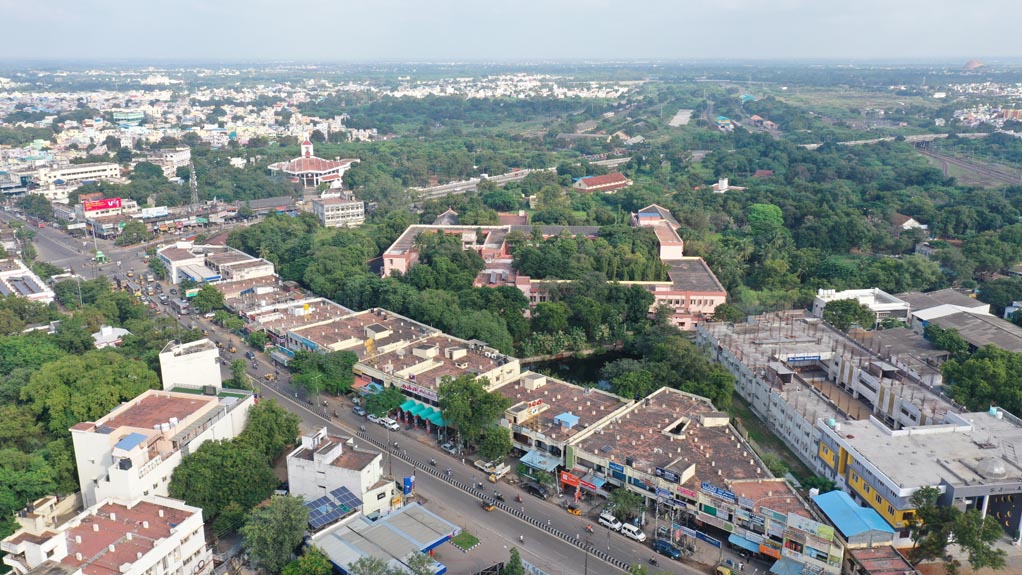
The beautiful grounds of St. Paul's Seminary

Our peaceful chapel for prayer and reflection
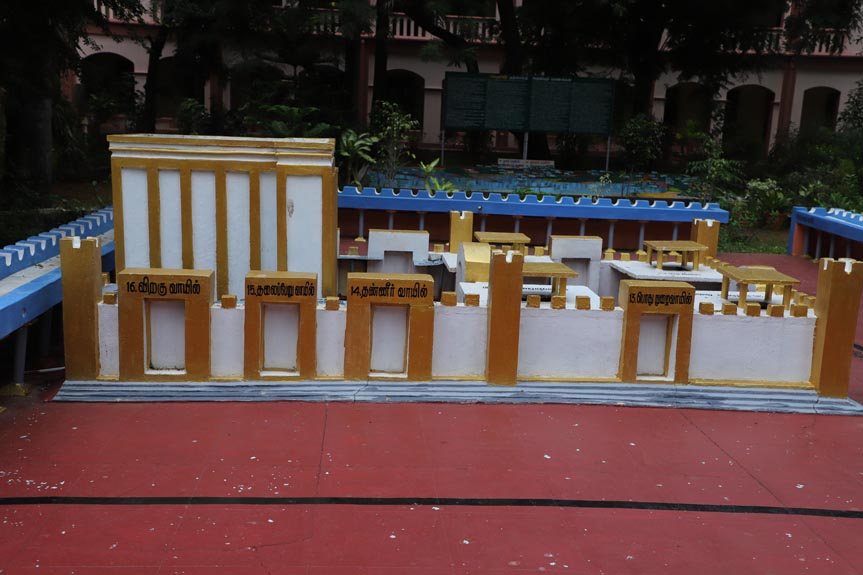
Seminarians in fellowship and discussion

Our extensive collection of spiritual texts
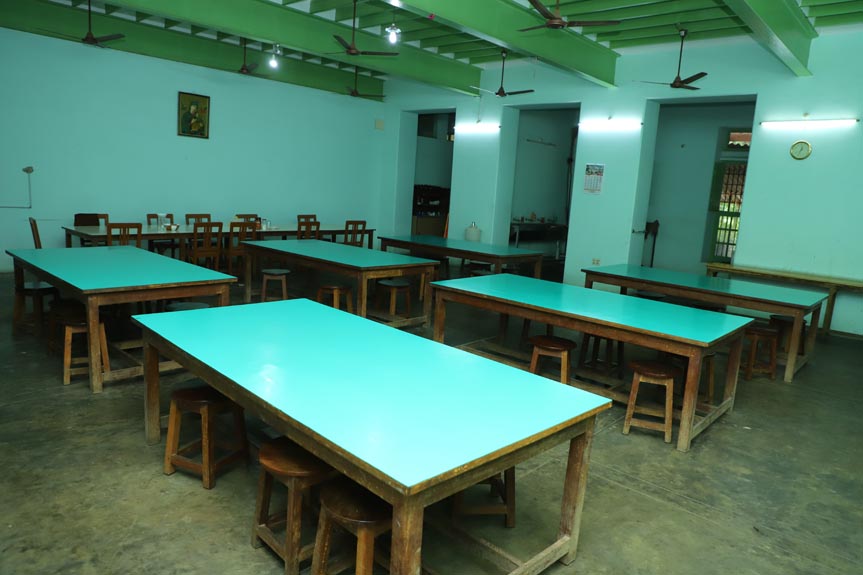
Engaging theological discussions
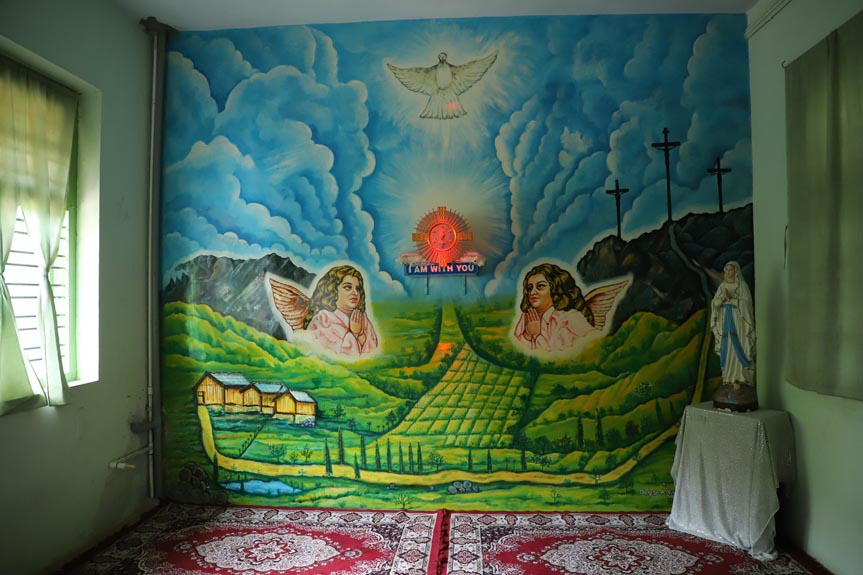
Quiet space for contemplation
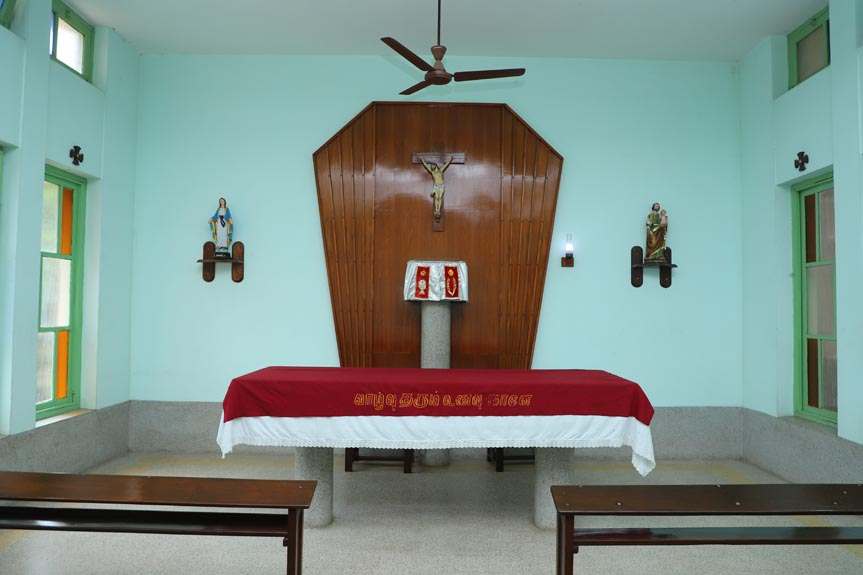
Community Eucharistic celebration
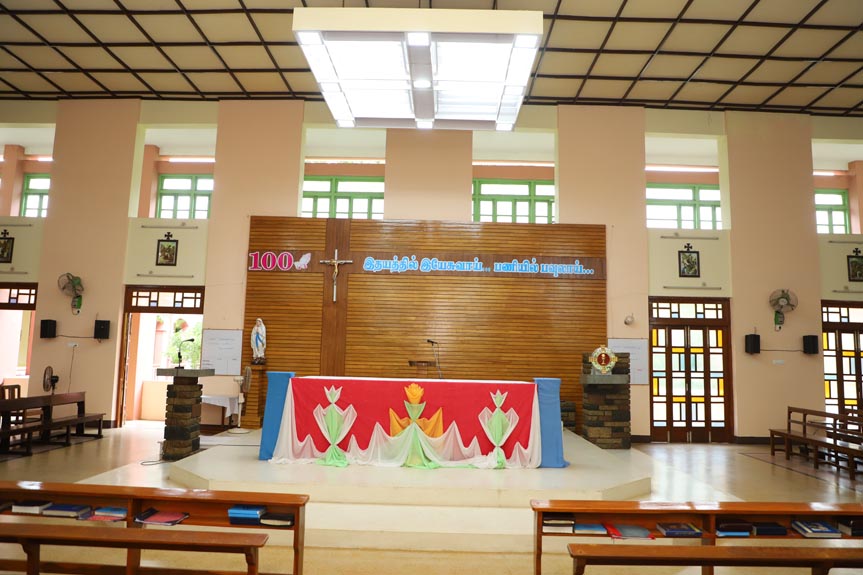
A sacred moment of commitment

Serving the local community
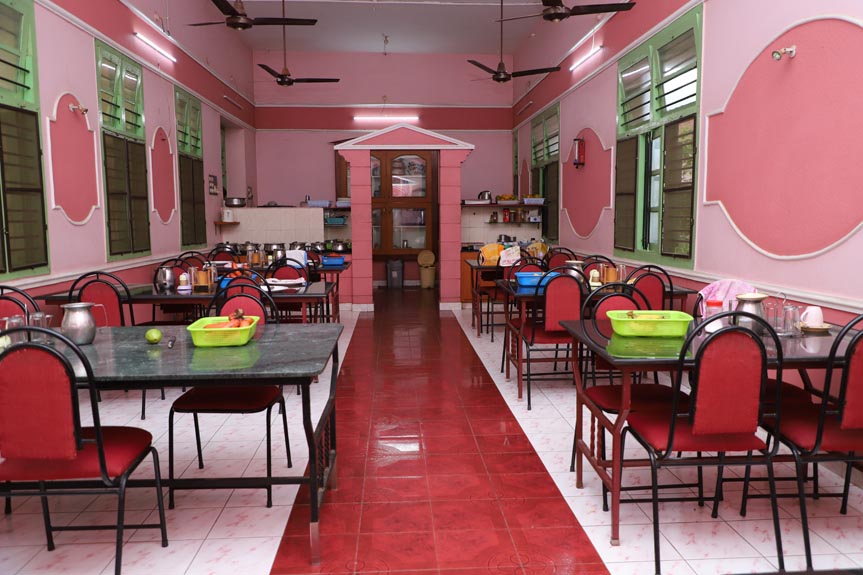
Time for prayer and renewal
The beautiful grounds of St. Paul's Seminary
Our peaceful chapel for prayer and reflection
| Campus Drone Tour | |
|---|---|
|
|
|
© St. Paul's Institute of Theology. All Rights Reserved.